

Super Counts: Explained
Choosing the fabric is one of the most personal, and enjoyable, parts of designing a custom suit. Alongside colour, pattern and texture, you may come across labels such as Super 110s, Super 130s or Super 180s.
But what do these numbers actually mean? And does a higher Super count always make a better suit?
The short answer is no. A Super count tells you how fine the wool fibres are, but the best fabric is the one that suits your lifestyle, the occasion and how frequently you plan to wear the garment.
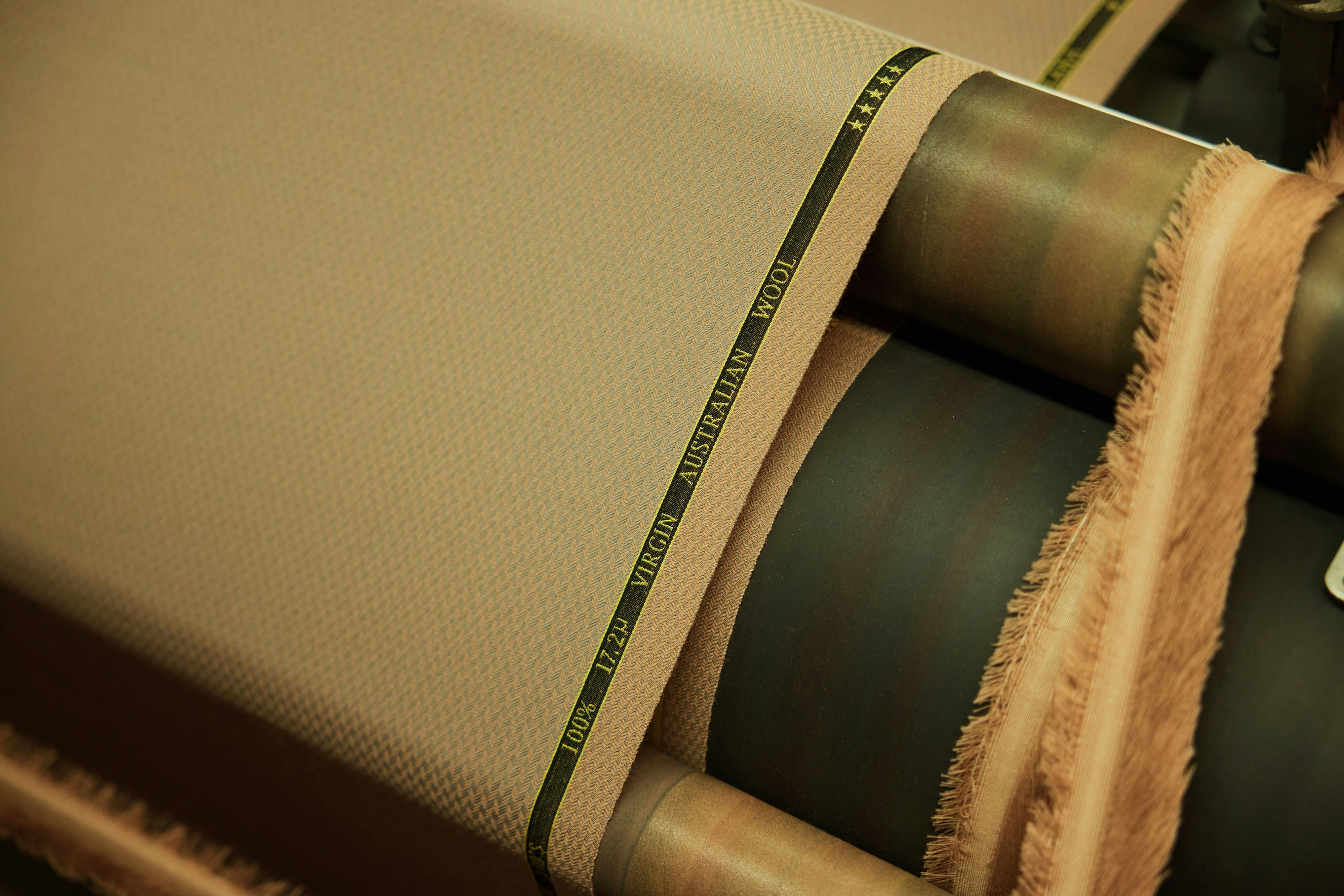
What does “Super” mean in suiting?
The Super count is a classification used to describe the fineness of the wool fibres within a woven suiting fabric. Wool-fibre diameter is measured in microns, with one micron equal to one-millionth of a metre. As the Super number increases, the maximum diameter of the wool fibres decreases.
In other words:
- A Super 180s wool is made using finer fibres than a Super 110s wool.
- Finer fibres generally create a softer and smoother handle.
- A higher Super number does not automatically mean the finished cloth is lighter, cooler or more suitable for everyday wear.
The Super S classification is internationally standardised, helping provide consistency around what each number represents.
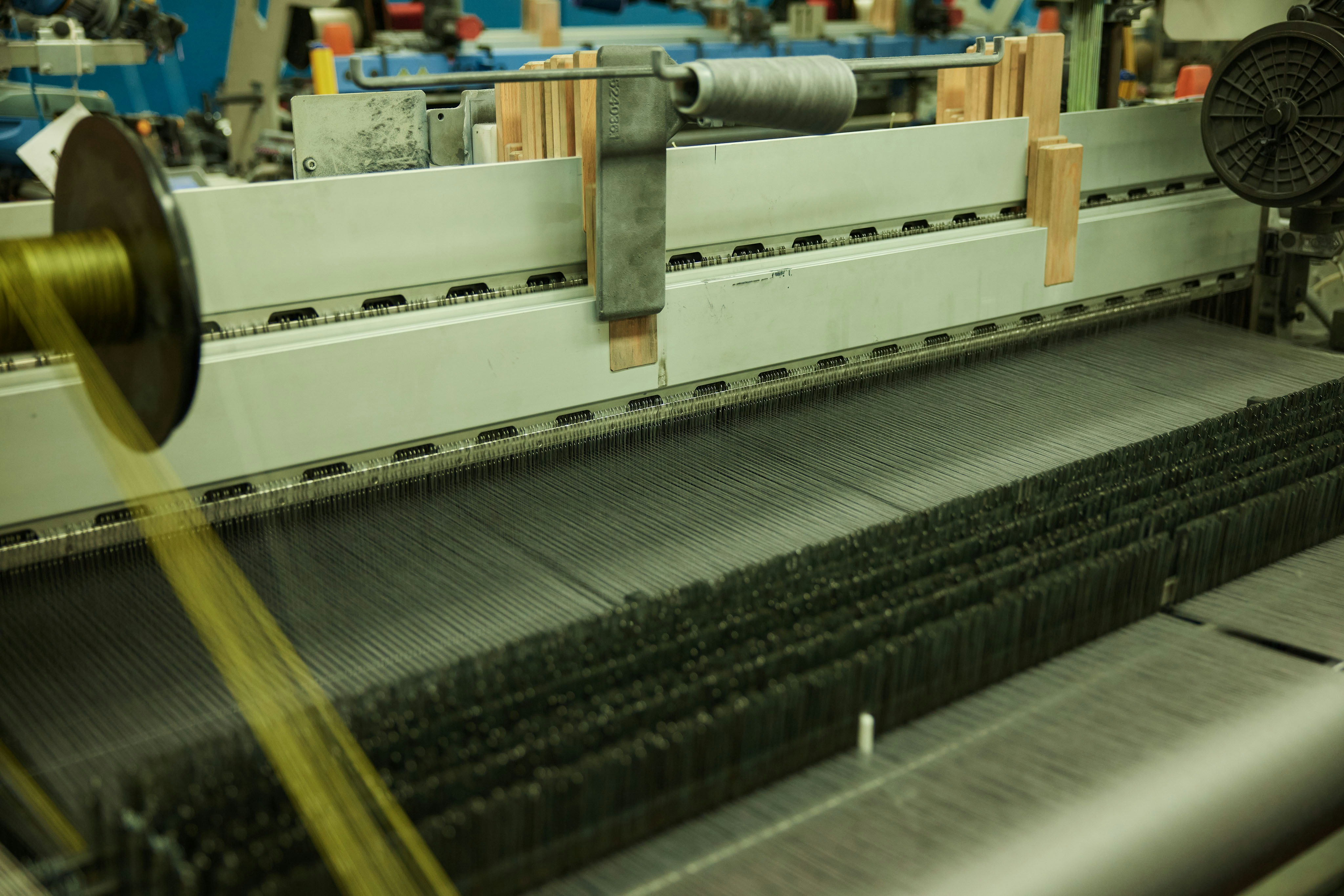
Super 110s to Super 180s at a glance
- Super 110s | 18.25 microns | Refined, versatile and practical.
- Super 120s | 17.75 microns | Soft with everyday versatility.
- Super 130s | 17.25 microns | Smooth and polished.
- Super 140s | 16.75 microns | Fine with a more fluid handle.
- Super 150s | 16.25 microns | Very fine and luxurious.
- Super 160s | 15.75 microns | Exceptionally soft and refined.
- Super 170s | 15.25 microns | Highly fine and considered.
- Super 180s | 14.75 microns | Extremely fine and delicate.
*Figures include the permitted tolerance within the relevant Super S standard.
Although these differences are measured in fractions of a micron, they can influence the softness, handle and character of the finished cloth.
Super 110s & Super 120s: Refined Practicality
Super 110s and Super 120s offer an appealing balance between refinement and practicality.
The wool fibres are fine enough to create a smooth, comfortable garment, while generally being well suited to suits that will form part of a regular wardrobe rotation. Depending on the cloth’s weave, weight and finish, these Super counts can be used for business suits, versatile separates and tailoring designed for frequent wear.
They may be particularly suitable for:
- A first custom suit
- Regular business wear
- Versatile work-to-evening tailoring
- Travel and commuting
- A dependable wardrobe foundation
Choosing Super 110s does not mean compromising on quality. For someone who plans to wear their suit regularly, it may be a more appropriate choice than an exceptionally fine fabric intended for occasional use.
Super 130s & Super 140s: A Refined Middle Ground
Super 130s and Super 140s introduce finer fibres and a smoother handle while retaining broad versatility.
These fabrics can work particularly well when the wearer wants something more refined than a standard work suit, but not necessarily a garment reserved solely for special occasions.
Depending on the individual fabric, this range may suit:
- Premium business tailoring
- Weddings and celebrations
- Important presentations or events
- Versatile occasionwear
- Customers seeking softness without moving to the highest Super counts
For many people, this range represents a useful middle ground: refined enough to feel distinctive, yet versatile enough to remain relevant beyond one event.
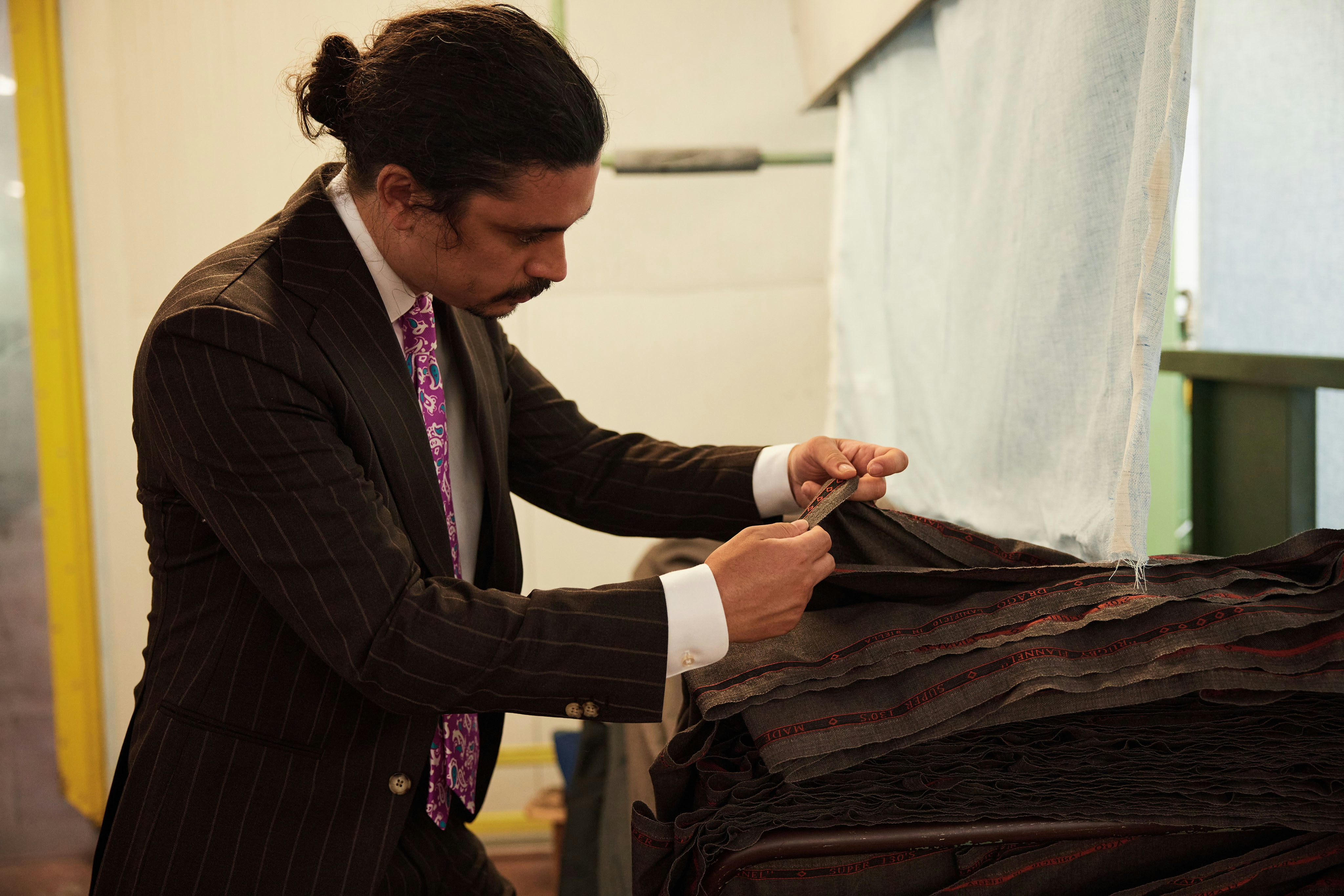
Super 150s & Super 160s: Elevated Softness
At Super 150s and Super 160s, the wool fibres become exceptionally fine. These fabrics are often selected for their softness, smooth finish and elevated tactile quality.
They can bring a sense of occasion to a custom garment and may be particularly appealing for wedding suits, milestone pieces and sophisticated formal tailoring.
They may suit:
- Wedding and reception suits
- Special-event tailoring
- Elevated professional wardrobes
- Garments designed for a considered rotation
- Customers who prioritise softness and refinement
As wool fibres become finer, the garment may require more considered wear and care.
Super 170s & Super 180s: Exceptional Fineness
Super 170s and Super 180s sit at the exceptionally fine end of the suiting spectrum.
Their appeal is largely sensory: a remarkably soft handle, a refined finish and a sense of fluidity that can make a garment feel particularly special. These fabrics are often best appreciated in milestone garments or tailoring intended for selected occasions.
They may be considered for:
- A wedding or milestone celebration
- Formal or ceremonial tailoring
- A statement custom garment
- An occasion suit within a wider wardrobe rotation
- Customers looking for an exceptionally fine fabric
These fabrics should not be viewed simply as an automatic upgrade from Super 110s or Super 130s. They serve a different purpose and may require more thoughtful handling, rotation and care.
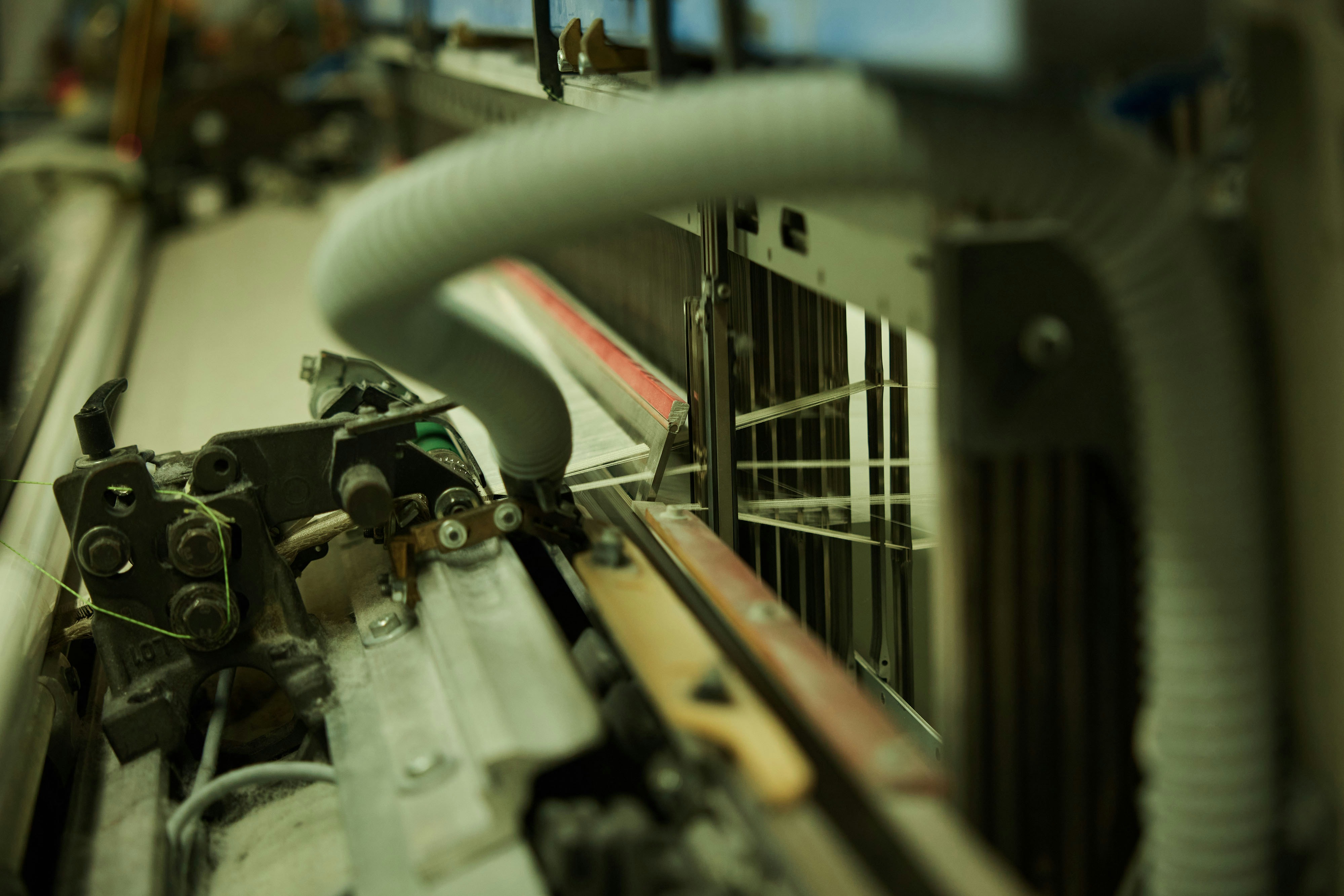
The right choice is contextual, not numerical.
A well-made Super 110s fabric chosen for regular business travel may be a better investment for one customer than a Super 180s fabric requiring a more considered rotation. Conversely, someone designing a suit for a significant occasion may value the exceptional softness and character of a finer Super count.
If the suit is worn several times a month for work, travel or events, a versatile Super 110s to Super 130s may be a sensible starting point. Super counts provide useful information, but they are not a ranking system in which the highest figure is always the correct answer.
During an InStitchu appointment, your stylist can guide you through the available Australian Merino wool fabrics, helping you compare their handle, appearance and suitability for your intended garment.
Because the right fabric is not simply the finest one. It is the one that feels right for you.
Book an appointment to begin designing your next custom garment.